

How to Source Products from India: The Step-by-Step Guide for Serious Buyers
Table of Content
- Introduction
- Start With a Clear Sourcing Brief (Most Buyers Skip This)
- Understand the Geography Before You Search for Suppliers
- Finding Suppliers: The Options Ranked by Reliability
- The Sample Stage: Where Most Buyers Lose Time
- Quality Control: The Non-Negotiable Step
- Pricing and Payment: What to Expect
- Logistics: Getting Your Goods Home
- The One Decision That Changes Everything
Introduction
Most sourcing guides tell you to “search on IndiaMart and email a few factories.” This one is different. Here is what sourcing from India actually looks like when it works.
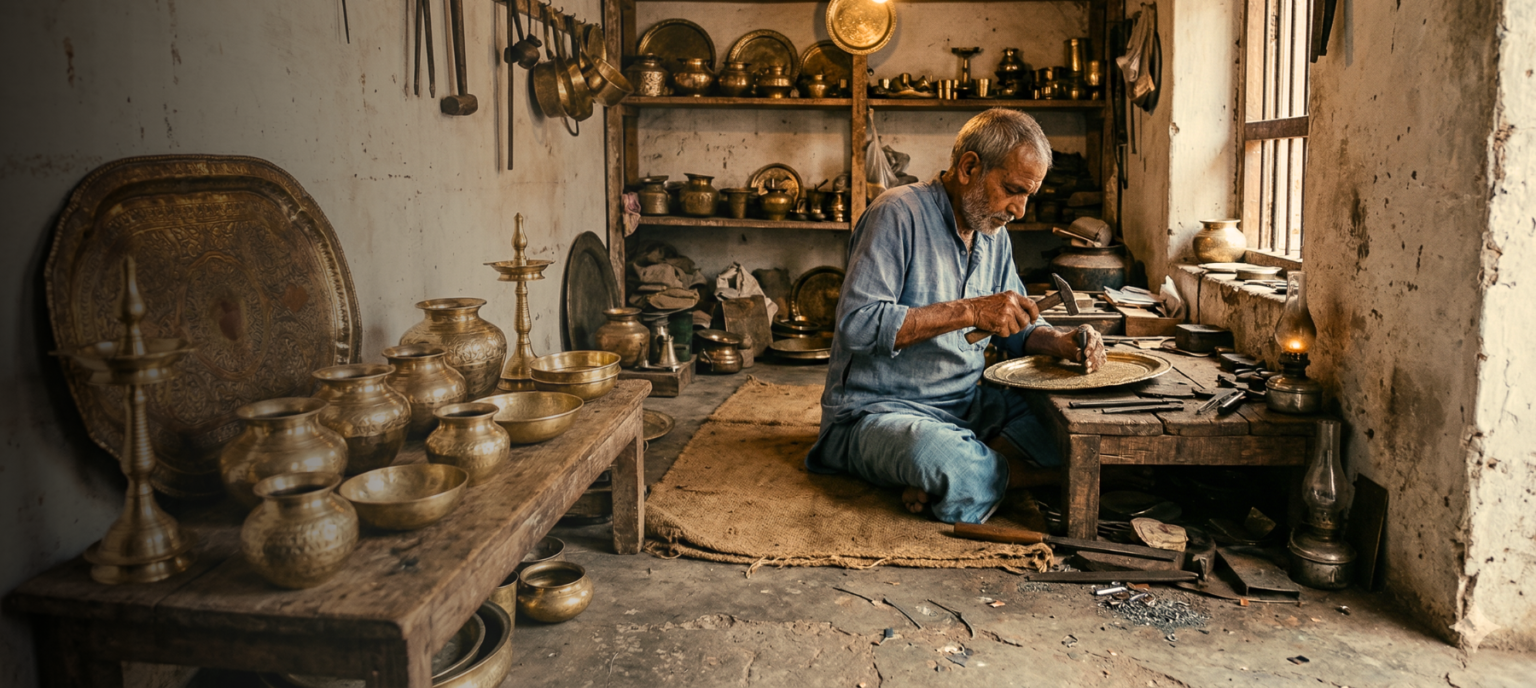
India is one of the most rewarding sourcing destinations on the planet. It’s also one of the most misunderstood. Buyers who approach it the right way build supply chains that give them products no other country can replicate, at prices that hold up even with freight factored in. Buyers who approach it wrong spend months frustrated, wondering why factories don’t respond and why quality is inconsistent.
The difference is almost never about India. It’s about the approach.
This guide walks you through how to source from India the right way – from defining your brief to getting your goods on a vessel, with real expectations at every step.
Start With a Clear Sourcing Brief (Most Buyers Skip This)

A sourcing brief that works has five things in it:
- Product specification: Material, dimensions, finish, function. Not a mood board reference, but actual specs a manufacturer can work from.
- Target quantity: Both your launch order and realistic repeat order volume. Factories need this to assess whether you’re worth their time.
- Quality baseline: What does “good” look like for your market? A product going into a European mass retail chain has different requirements than one going into a US boutique.
- Compliance requirements: REACH for EU buyers, CPSC for US, FSC for wood products, OEKO-TEX for textiles. Know your requirements before you engage suppliers.
- Timeline: When do you actually need the goods in your warehouse, working back from there? India’s lead times are typically 45 to 90 days. Plan accordingly.
Understand the Geography Before You Search for Suppliers
India’s manufacturing isn’t spread evenly across the country. It’s cluster-based. Specific cities produce specific things, and within those cities, generations of artisans have built deep specialisation. Sourcing from the wrong cluster for your product category doesn’t just mean lower quality – it often means no response at all, because factories there simply don’t make what you’re looking for.
Key Manufacturing Clusters for Home Decor Buyers
→
Moradabad, Uttar Pradesh: Brass, metalware, copper – 80% of India’s metalware exports
→
→
→
→
→
→
When you know which cluster supplies your category, your supplier search becomes far more targeted and your response rate improves immediately.
Finding Suppliers: The Options Ranked by Reliability
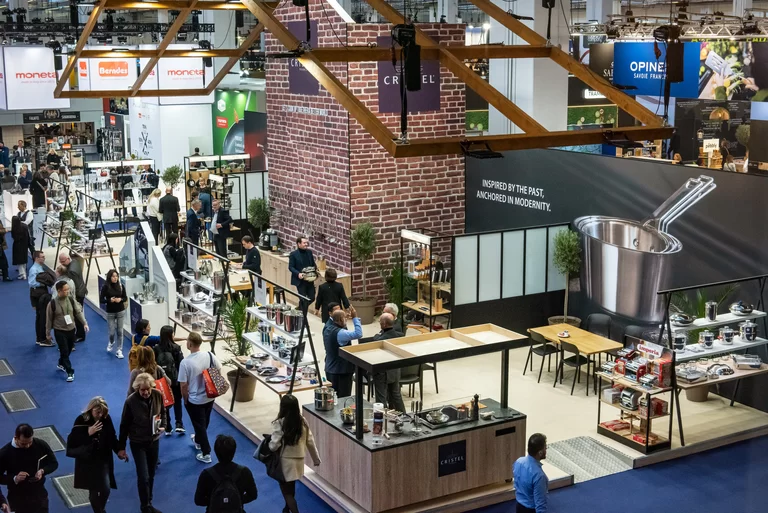
There are several routes to finding Indian manufacturers. They’re not all equal.

Trade Fairs (Best Quality, Highest Effort)
IHGF Delhi (April and October), Ambiente Frankfurt, Maison & Objet Paris. Meeting a supplier in person, seeing their range, and starting a conversation face-to-face produces fundamentally better supplier relationships than cold email ever will. If you’re serious about India sourcing, commit to attending one show per year.

EPCH Directory (Verified Exporters)
The Export Promotion Council for Handicrafts maintains a database of registered exporters. Suppliers listed here have government-registered export credentials – a meaningful verification step that IndiaMart doesn’t provide.

A Buying Agency (Best ROI, Especially at Scale)
A professional India buying house gives you immediate access to vetted, relationship-backed suppliers across all major clusters. You skip the cold inquiry stage entirely. Factories respond because they know and trust the agency. You get real market prices, not inflated stranger quotes.

IndiaMart / Alibaba India (Wide Access, Low Signal-to-Noise)
Useful for initial research and benchmarking. Not reliable as your primary sourcing channel. Many listings on these platforms are from trading companies, not manufacturers. Response rates from cold inquiries are low, and quotes often don’t reflect real factory prices.
The Sample Stage: Where Most Buyers Lose Time
Expect 3 to 6 weeks for an initial sample from an Indian artisan manufacturer. This is not a sign of disorganisation – it’s the reality of handmade production. A piece that takes a craftsperson 4 days to make cannot be sampled in 5 days.
In India, a buying agency isn’t something you graduate to when you’re big enough. It’s the foundation on which any serious India sourcing programme must be built. Not a luxury. Not an overhead. The infrastructure.
Plan for two to three sample iterations on any new design. Budget your calendar accordingly, and don’t place production orders until you’ve done a final pre-production sample review.
Quality Control: The Non-Negotiable Step
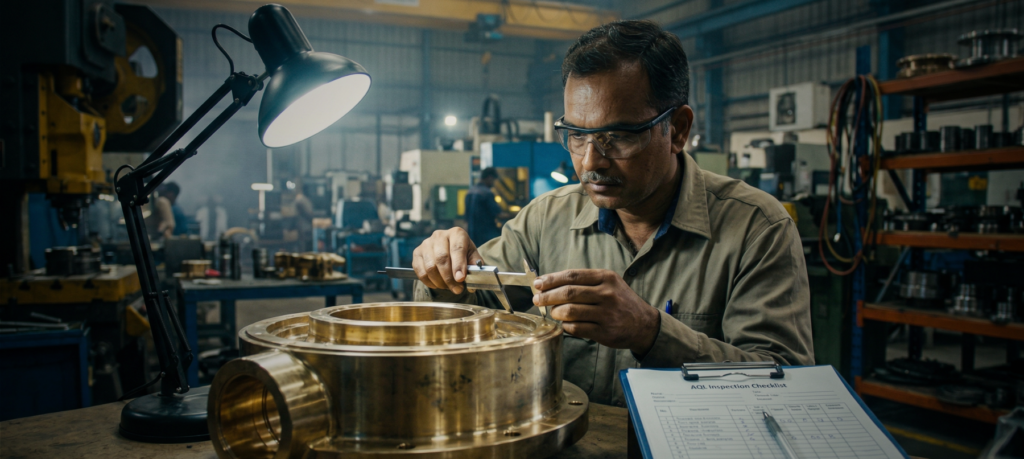
At minimum, build a pre-shipment inspection into every order. An inspector visits the factory when 100% of goods are ready, inspects a statistically valid sample, and issues a written report covering quantity, visual defects, dimensions against spec, and packaging quality.
For EU buyers, add product testing through accredited labs (Bureau Veritas, SGS, Intertek) for REACH compliance, physical safety, and material certification. This isn’t optional – it’s legally required in most categories, and getting caught without it is expensive.
Pricing and Payment: What to Expect
- Quotes are typically FOB (Free on Board, Indian port). Add freight, insurance, and import duty to get your landed cost.
- Payment terms in India’s artisan sector are typically 30 to 50% advance, balance before or against shipping documents. Net-30 terms are rare until a strong relationship is established.
- Brass and metal products are commodity-priced – raw material costs fluctuate with global copper and zinc prices. Build a 5 to 10% price buffer for orders placed 90+ days forward.
- EU buyers should ensure the Certificate of Origin (Form A) is correctly issued to claim GSP preference duties, which can reduce import duty to 0 to 3.7% on many handicraft categories.
Logistics: Getting Your Goods Home
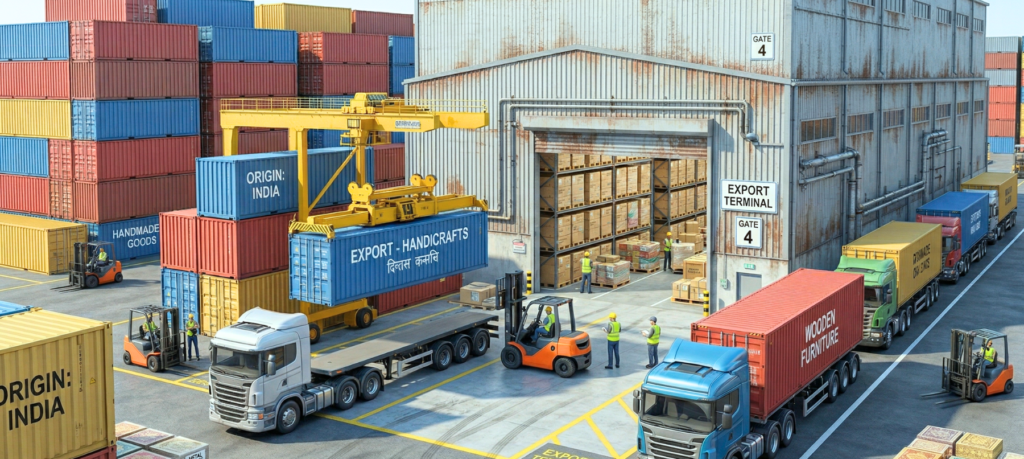
- Wood products require ISPM 15 phytosanitary fumigation before export. This takes 3 to 5 additional days and should be built into your production timeline.
- Ceramic, glass, and metalware need robust packaging; 5-ply outer cartons, inner foam or cell dividers. Underinvestment in packaging is the most common cause of breakage claims.
- Marine insurance is cheap and essential. Rates run 0.3 to 0.5% of cargo value. Always insure.
The One Decision That Changes Everything
India rewards relationships. The buyers who access the best factories, the best prices, and the most consistent quality are not the ones with the biggest cheque books. They’re the ones who are trusted – and trust, in India’s manufacturing ecosystem, is built through local presence and ongoing commitment.
You can build that trust yourself over 3 to 5 years. Or you can access it from day one by working with a buying agency that’s already built it.
Ready to Source from India the Right Way?
Azoonis manages India sourcing programmes for importers across Europe, the USA, and Australia – from supplier identification to pre-shipment inspection and logistics coordination. If you’re serious about building a reliable India supply chain, let’s talk.